Rolling metal isn’t just brute force — it’s a dance of precision, pressure, and power. We at Shandong Ring Rolling Tech Machinery have lived and breathed this process for decades. If you’re trying to figure out What are the three types of rolling machines, then sit tight. We’re about to break it down like no one else.
 Why Rolling Machines Matter More Than Ever
 Why Rolling Machines Matter More Than Ever
Rolling machines shape the future—literally. From aerospace rings to giant wind turbine parts, these machines form steel like origami folds paper. Whether you’re into ring rolling, pre bending, or sheet metal rolling, the right machine makes all the difference.
But with so many types of machines out there, how do you choose?
Let’s start with the basics: the three main types of rolling machines.
Type 1: Plate Rolling Machines – The Sheet Shapers
 Type 1: Plate Rolling Machines – The Sheet Shapers
If you’ve ever bent a soda can without crushing it, congratulations—you’ve mimicked a sheet metal rolling machine.
How They Work
 How They Work
Plate rollers use side rolls and pre bending to shape flat metal sheets into curved profiles. Think tanks, pipes, and ducts. These machines offer flexibility and a wide range of applications.
Key Features
 Key Features
- Side rolls for accurate curvature
- Pre-bending for seamless edges
- High precision control with digital panels
- Popular in HVAC, shipbuilding, and structural industries
“We’ve seen clients roll a 30mm plate into a 2-meter-diameter pipe with ease—no sparks, no sweat.”
Type 2: Ring Rolling Machines – Our Specialty
 Type 2: Ring Rolling Machines – Our Specialty
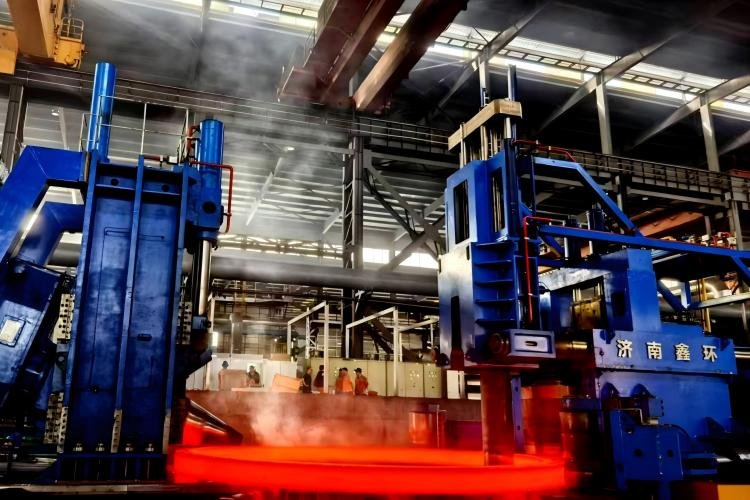
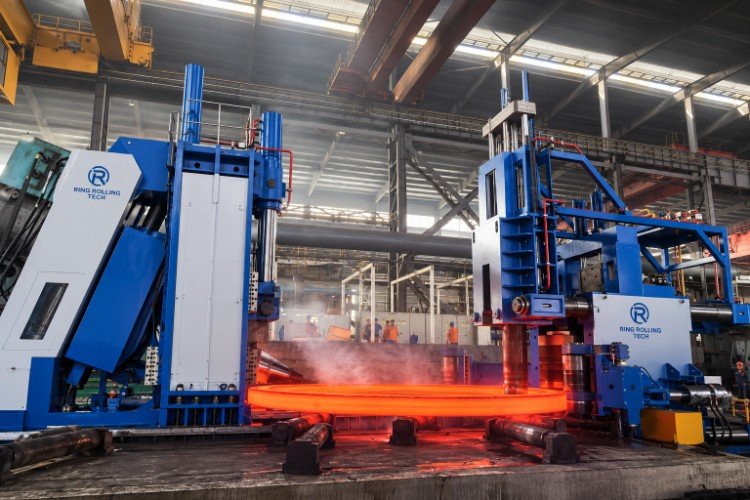
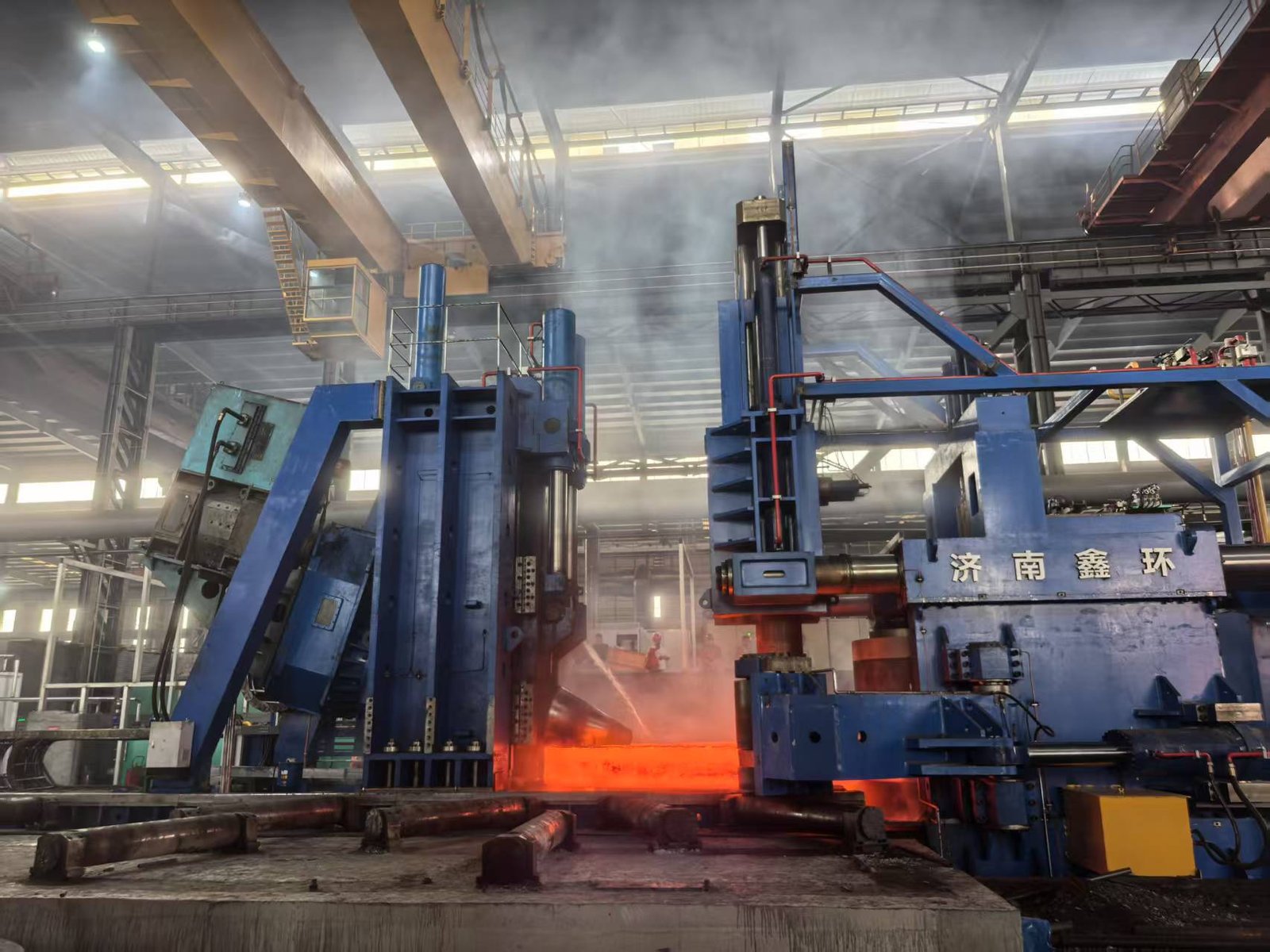
Here’s where we come in. Ring rolling isn’t just our bread and butter—it’s our passion.
Unlike flat rolling, this machine expands a pre-formed ring by reducing its wall thickness and increasing its diameter. The process is clean, efficient, and jaw-droppingly cool to watch.
Why Ring Rolling Rocks
 Why Ring Rolling Rocks
- Perfect for aerospace, bearings, wind power
- Radial and axial rollers for dual-direction forming
- Ultra high precisionshaping
- Smaller input weight = bigger output dimensions
Shoutout to the D53K
 Shoutout to the D53K
Our D53K ring rolling machine is a beast. It handles everything from thin-wall titanium to massive steel rings with confidence. It’s like the Swiss Army knife of rolling machines—but meaner.
Type 3: Section Rolling Machines – The Curve Kings
 Type 3: Section Rolling Machines – The Curve Kings
These machines curve metal profiles—angles, beams, tubes. If you’ve seen decorative gates or steel structures in buildings, chances are a bending machine made it happen.
What Makes Them Tick
 What Makes Them Tick
- Uses 3 or 4 rolls to bend solid bars and tubes
- Works with aluminum, stainless steel, and carbon steel
- Great for forming spiral staircases or industrial frameworks
“One of our partners built a spiral staircase for a luxury yacht—talk about bending in style!”
What to Look for in a Rolling Machine
 What to Look for in a Rolling Machine
You don’t need to be an engineer to pick the right bending machine—but it helps to know what counts.
Key Factors
 Key Factors
- Precision Bending: Can it hold a 1mm tolerance?
- Roll Configuration: Radial axial systems for rings, side rolls for plates
- Automation: CNC or manual?
- Materials: Steel, copper, titanium, aluminum
- Throughput: How fast do you need results?
We always tell customers: Don’t buy a Ferrari for a dirt road. Get the machine that fits your use case—not just your dream case.
The Rolling Process: Step-by-Step Simplicity
 The Rolling Process: Step-by-Step Simplicity
Let’s demystify the rolling process—it’s not rocket science, but it sure feels like it sometimes.
- Preform the material (cutting and heating)
- Position in the rolling machine
- Engage rolls (radial axial or side rolls)
- Monitor and adjust curvature in real time
- Remove and cool down
- Inspect with laser precision
And voilà—metal magic.
Expert Tips: Avoid These Rolling Mistakes
 Expert Tips: Avoid These Rolling Mistakes
Even pros mess up sometimes. Here are a few “don’ts” we’ve learned the hard way.
- Don’t skip pre bending—you’ll regret the flat ends
- Never ignore material grain direction
- Avoid over-speeding the rolls (heat + speed = warping)
- Don’t mismatch material with the type of machine
Trust us, it’s better to go slow and correct than fast and flawed.
Applications Across a Wide Range of Industries
 Applications Across a Wide Range of Industries
Rolling machines aren’t one-trick ponies. Here’s where they shine.
IndustryUse CaseAerospacePrecision engine ringsOil & GasPipe and flange formingWind EnergyGiant bearing ringsArchitectureCurved steel beams and railingsAutomotiveFrames, bumpers, suspension parts
Why We’re Obsessed with Rolling Machines
 Why We’re Obsessed with Rolling Machines
There’s just something satisfying about seeing raw steel transformed into perfectly formed parts. It’s noisy. It’s hot. It’s industrial art.
At Shandong Ring Rolling Tech, we don’t just build machines—we create metal-shaping legends. Every nut, bolt, and circuit on our D53K models reflects our obsession with high precision and durability.
We’re not here to sell hype. We’re here to roll steel better than anyone else.
Final Thoughts – So, What Are the Three Types Again?
 Final Thoughts – So, What Are the Three Types Again?
Let’s wrap it up. If someone asks:
“What are the three types of rolling machines?”
You now know:
- Plate Rolling Machines– The sheet shapers
- Ring Rolling Machines– Our favorite metal expanders
- Section Rolling Machines– The curve kings of profiles
Each plays a different role in the metalforming universe. Pick the right one and watch your business transform.